Cool@Hoole

Year-Round Costumed Fun


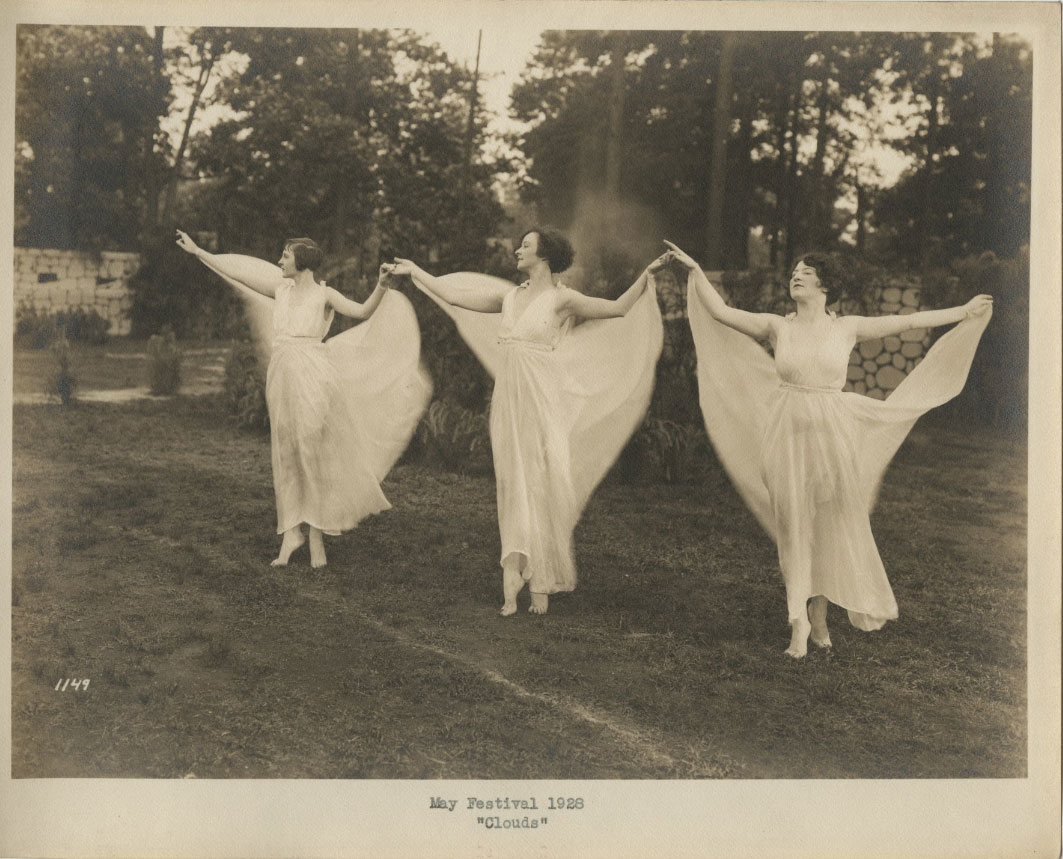
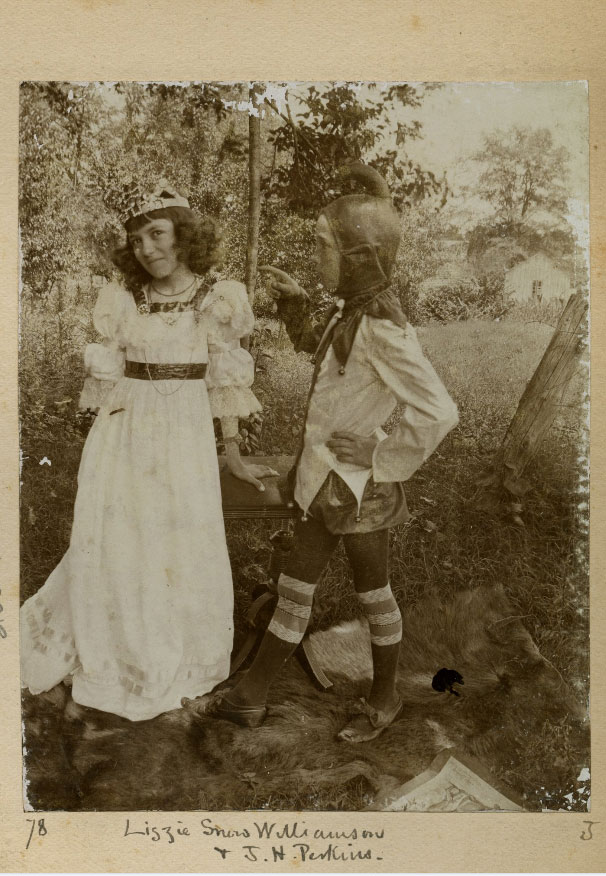
From a family production of the HMS Pinafore ca. 1899 (Perkins Family Papers) and an interpretation of “clouds” from the May Festival, 1928, Tuscaloosans don’t just wear costumes on Halloween!

Happy Halloween!

Celebrate Halloween with some spooky pieces of sheet music from the Wade Hall Collection of Southern History and Culture! Click on the images for links to the items in Acumen.


Automating the capture process

As part of our ongoing efforts to develop and adopt workflow practices that increase the amount and quality of images we put into our digital archive we are always looking at new changes to our digitization process. Currently we are making a shift away from flatbed scanners in favor of camera based imaging for its speed and flexibility. During this switch we are taking a look at our optimization procedures. here are our current thoughts on the possibilities.

Camera based image capture is very quick in comparison to a flatbed scanner, however the optimization and quality control process are unchanged in terms of their use of time and resources. We are looking to the software we have, open source options, and scripting to provide an easy, robust, and flexible avenue for making our images that will soak up portions of the baseline resource costs that speed of imaging hardware, no matter how fast, will never help to improve.

Item, template frame, digital overlay, and changes can all be seen from Canon EOS Utility's LiveView window. The interchangeable frame lines up with the registration block, the confetti border is one of a set of standard digital overlays that verify the position of the paper frame. (technically the digital overlay frame is all that is required to make this happen, but we have some older 5D's that cant do Liveview.)

We are testing with a low tech approach, (low tech helps with the “easy” and “robust” requirements)… called registration.

This is not ground breaking by any means but lines up with workflow standardization efforts. The basic idea is, if you know the camera is always looking at the same spot, and you fix a “registration point” to the document table so it never moves. Objects to be digitized are lined up against this point. Then you can quickly and flexibly swap formatting frames depending on the size and shape of the item being imaged. Matching the item to a standardized frame in a fixed location in the raw image allows you to apply a “blind” file optimization to the camera raw when creating the archival tiff.

This is the key obstruction to any number of automated things that might need to be done to the image files after the initial raw file is taken. At the moment we are using Photoshop’s Camera Raw Editor to make synchronized edits to multiple images all taken within a printed and cutout paper template.

A next step would be to make a full series of frame template sizes and a .BAT file for each one that applies a template specific ImageMagick command to all files in a specific folder. Imagine snapping off 500 images from a book and then clicking a shortcut that cleans them all up and exports a .tif and a .jpg without even having to open them up!

From there a scripted GUI sits and waits for images to show up in a folder, then optimizes them saves the exports to a specific collection folder and logs the image in your monthly production tracking documentation.

I’ll post more on this as it develops!


Costumed Kids and Co-Eds!


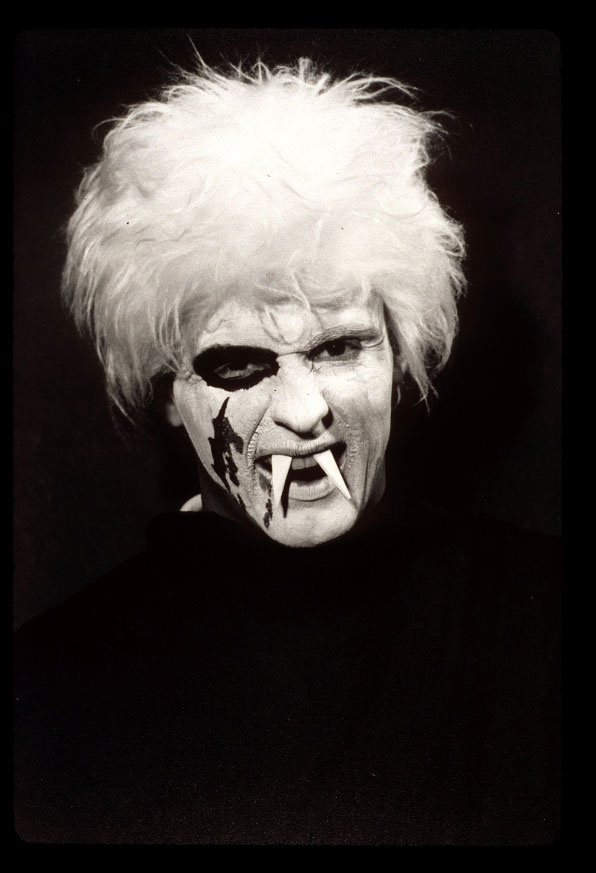
Educational Media Photographs, ca. early 1960s, Hoole Special Collections Library

A Jester and a Fairy, ca. 1900. Perkins Family Papers, Hoole Special Collections Library
Halloween Party at UA, ca. early 1950s,
The George Nichols Photographic Collection, Hoole Special Collections Library

Here are just a few of the many costumed characters that show up in our photo collections! Stay tuned for more this week! Happy Halloween!

Tweet

Newly Online: Elbert Nixdorf Letters

We have recently placed a small but interesting collection online, the Elbert Nixdorf Letters. Mr. Nixdorf served in the U. S. Army Special Services during World War II. This collection of letters contains correspondence with friends he made while overseas serving in the war. The twelve letters in the collection span from 1937-1954. Some of the letters are in French and Spanish. If you would be interested in helping us translate them, please let us know!

The Crimson Tide in 1917


This beautiful image of the Crimson Tide football team from 1917 is taken from a glass negative taken by the Geologist Eugene Allen Smith and is accessible in our digital collections. And while things with regard to football have grown a little in the past century, the enthusiasm has always been there. Our roster has grown a little bit as well. Roll Tide!

Quercus Macrocarpa

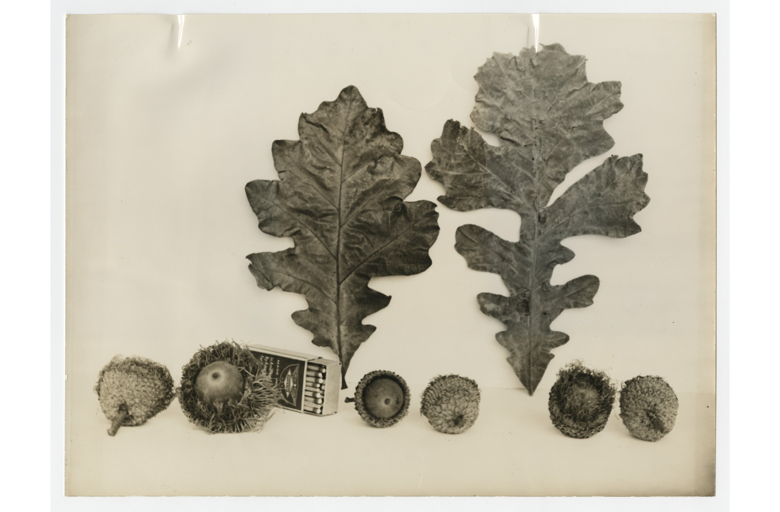
Here is an elegant botanical photograph of Quercus Macrocarpa or the Burr Oak (with a box of matches for scale), taken by botanist Roland Harper in 1949 near the town of Snowden, Alabama. From the Roland Harper Collection, and available in our digital collections at http://acumen.lib.ua.edu/u0001_2008032_0007640. Plant a tree for Tuscaloosa!

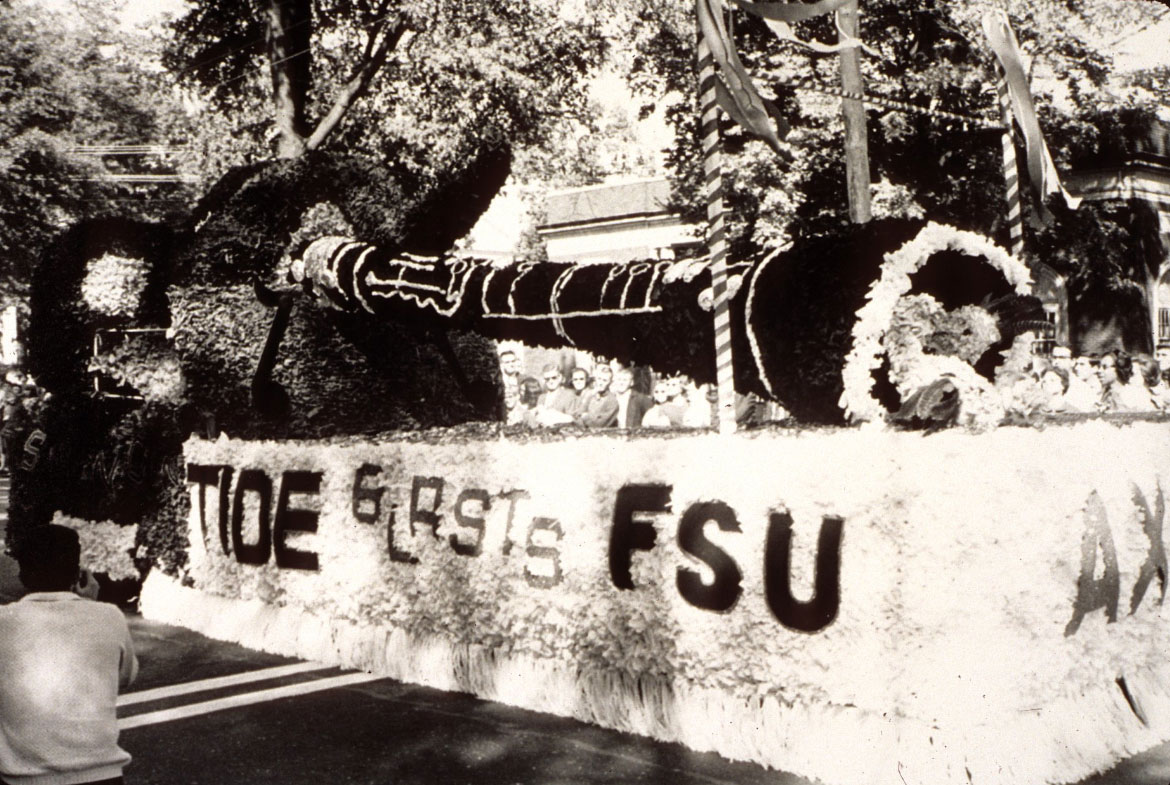
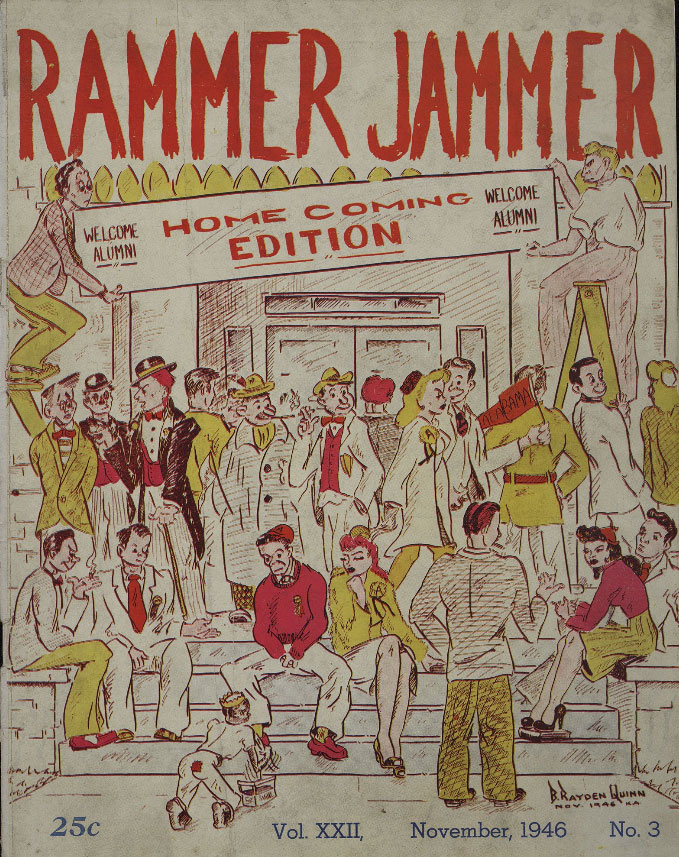
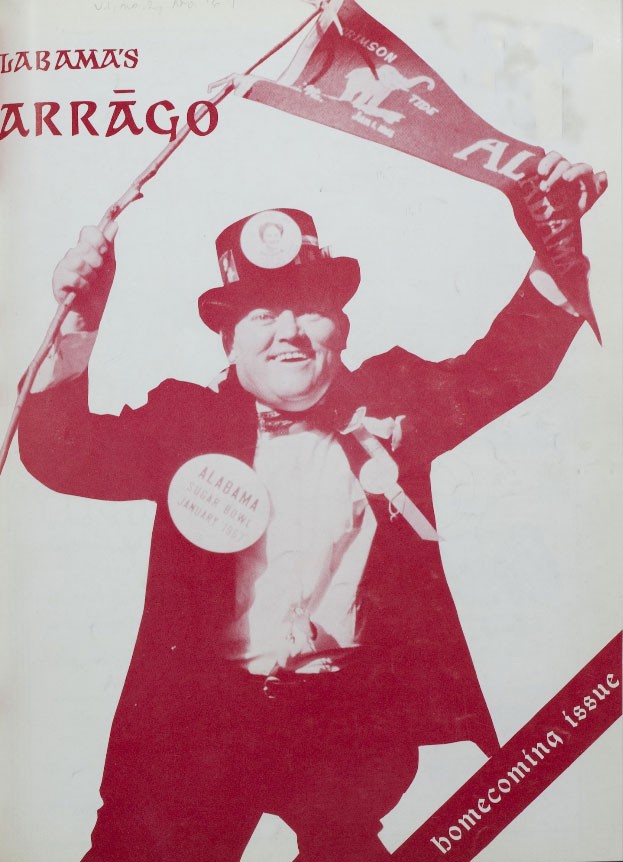
Homecoming Memories


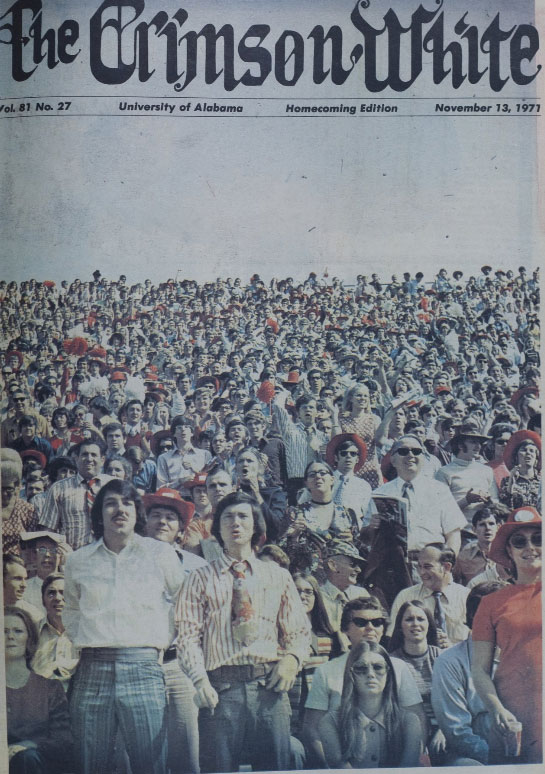
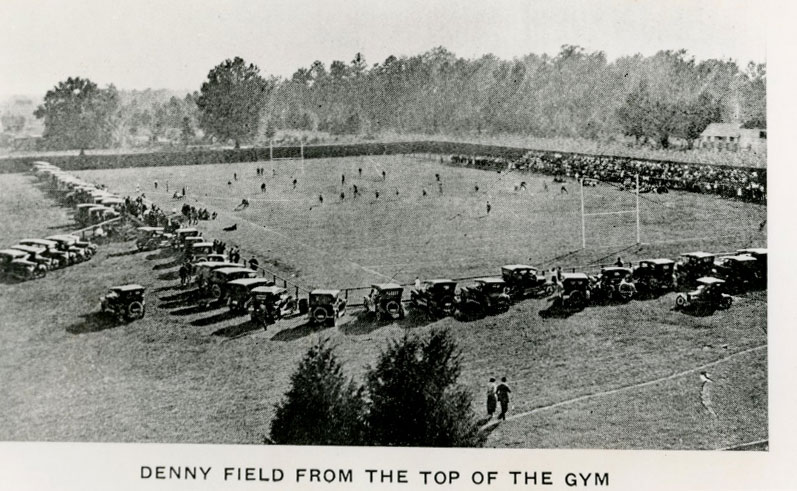
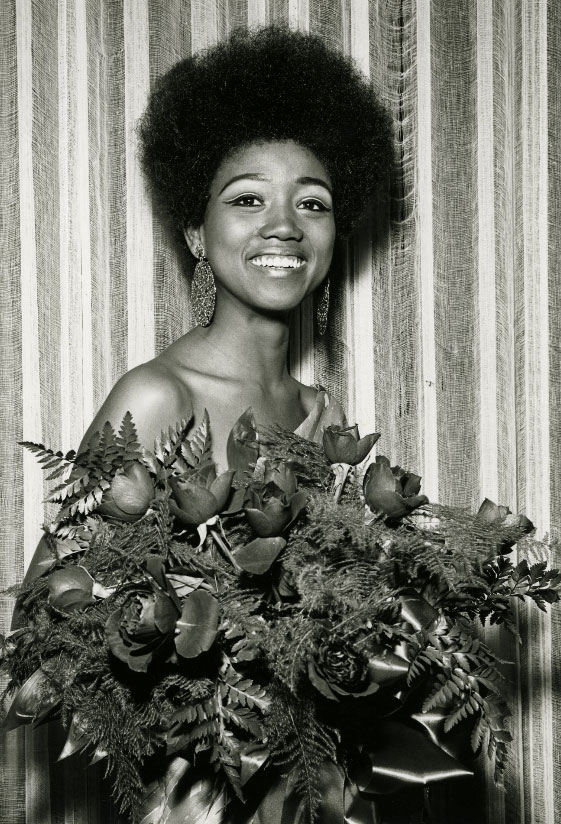
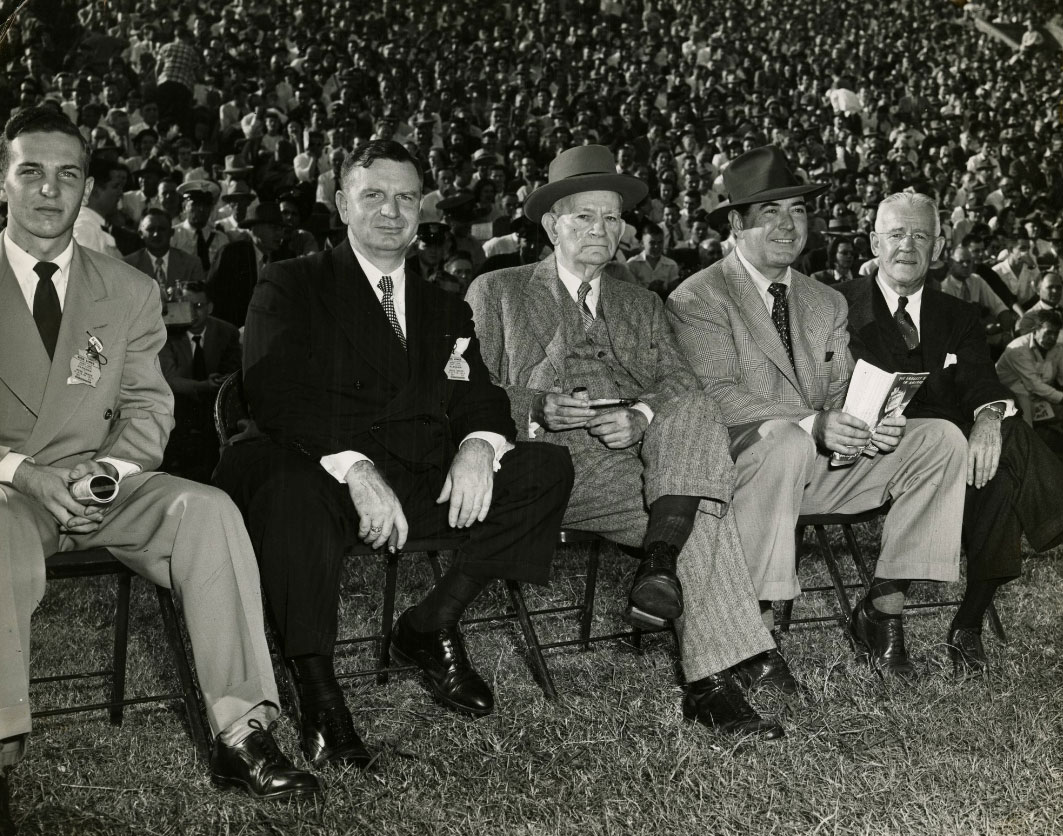
Here are just a few of many, many images relating to the Homecoming tradition at The University of Alabama. Images from the 1920s, 1940s, 1950s, 1960s, and 1970s! What is your favorite Homecoming memory!?

Letter from Westly Townsend, An Empancipated Slave

A few months ago, we blogged about a project funded by the NHPRC to digitize the Septimus D. Cabaniss Papers. This is a really fascinating collection, containing the personal and business papers of a Civil War era attorney from Huntsville, Alabama. In 1853, Cabaniss was employed by the wealthy, unmarried Samuel Townsend to draft a will that would allow him to manumit and leave property to a number of his slaves, many of whom were his children. Townsend was concerned because his brother Edmund had attempted to do the same thing, but his will had been held void by the courts upon his death. Samuel wanted Cabaniss to draft an air-tight document for his estate, which at his death in 1856 was valued at approximately $200,000, including 8 plantations totaling 7,560 acres and 190 slaves.

Cabaniss created the will so that it would provide for the emancipation and removal of the 40 slaves specified by Townsend to a free territory. Most of his property was to be auctioned and the profits placed into a trust to financially support the freed slaves and pay for their relocation to Ohio and Kansas, as well as their education.

Included here is a letter written by Westly Townsend, son of Samuel and one of the freed slaves. He was living in Ohio and going to school, learning to read and write. This letter to Cabaniss is the first time Westly has attempted to write letter to Cabaniss on his own, as he is just learning to write. Below the image is a transcription of the letter.

Read Alle Albany. Athens Co
June 2 1858
Mr. S.D. Cabaniss
Dear sir this is the fist time that I hav undertook to writ a letter to you if you can read it let me know it in your letter I often think of you all Mr. S.D Cabaniss I can read some of the words in your letters I try very hard to read an to writ I am putting all my time in school I am reciting in the spelling book and the Second reader an the Arithmetic
Westly Townsend

Newly Online: Freddie Lindsay, Jr., Letters

We have a new collection online of letters of a World War II soldier. The Freddie Lindsay, Jr. Letters contains V-mail letters to and from Lindsay, who was stationed in the South Pacific. Most of the letters are to his sweetheart, Helene Phillips, in New Jersey, but there are a few letters from other friends. The letters discuss Lindsay’s work as a chaplian’s assistant, including church services in the jungle. he discusses the many movies and shows that provided entertainment to the soldiers, including seeing a show starring Bob Hope.  Helene’s letters provide insight into what it was like at home during the war. The letters end mysteriously in September of 1944, when Freddie, feeling exasperated with Helene for not writing him in a month and a half, vows not to write her any more letters until he hears from her. Did Freddie make it home safely? Did he marry Helene? A small bit of research didn’t provide any answers, but maybe our blog readers can help! If you can find us any information about Freddie or Helene, please let us know!