Cool@Hoole

Newly online: Martha Young Papers

Martha Young of Greensboro, Alabama, was known for her studies of the dialect of Southern African Americans in the late 19th and early 20th century.  She wrote and performed her writings to the accolades of many.  Here’s an example of a recital advertisement at the Astor Gallery in NYC on November 1906.
The Martha Young Papers Collection (MS 1597) contains many of the works (over a thousand!), as well as correspondence, photographs and pictures, genealogical information on the Tutwiler and Young families, and other miscellaneous items. Martha Young was the granddaughter of Henry Tutwiler and niece of Julia Tutwiler.

Examples of her works include  a poem called “The Strangeness of It (Uncle Isham Speaks)” and “Why Brother Buzzard Has No Potatoes of his Own”, a short story from around 1900.

Newly online: The A. T. Patrick Letters

S/Sgt A.T. Patrick was a radio operator during World War II stationed in Walla Walla, Washington; Redmond, Oregon; and Avon Park, Florida. He enlisted in the Army in May 1941.

The A. T. Patrick Letters (MS 2136) consists of thirty-seven letters from Sgt. A. T. Patrick to Mary E. Coffman in Keyser, West Virginia. All of the letters were to “Sally.” Every letter expressed how much he missed Sally and how he thought about her frequently.

Newly online: Soldier Land Grants

Land grants (generally 40 acres) were given in token of military service during the Creek, Cherokee, and Seminole Indian Wars, the Mexican War, the Florida War, and the War of 1812 or in recognition of volunteer service in a state militia.

The Soldier Land Grants collection (MS 1306) contains 359 United States Land Office certificates of title for soldiers, their heirs, and assignees, dated from 1848 to 1881 and arranged alphabetically by the last name of the soldier.

Here’s an example of one signed by President Franklin Pierce in 1854 granting land to Corporal James Alexander who was a captain in McMullin’s Company of the Georgia Volunteers, during the Cherokee War.

Makes your eyes light up. Your tummy say, "Howdy!"

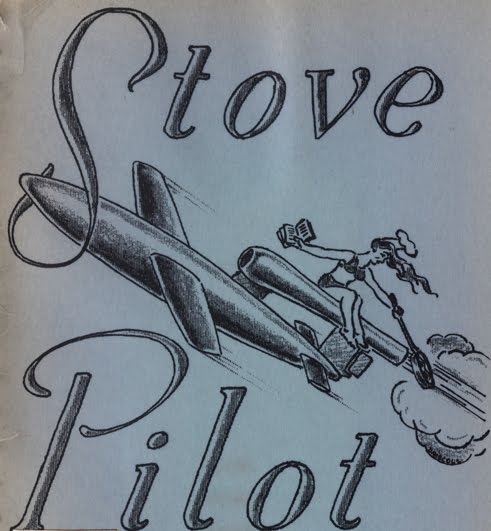
Stove Pilot. Eleventh Edition, September, 1955. Alabama Collection. TX 715.U54

A couple of pages from the fantastic community cookbook, Stove Pilot, part of the Hoole Library’s Alabama Collection and in the Wade Hall Collection of Southern History and Culture. Stove Pilot was done in several editions, compiled by the Women’s Club at Maxwell Air Force Base in Montgomery, Alabama for the benefit of overseas recovery. The recipes are enchanting and humorous and the drawings are even better. The recipes for Shoo-Fly Pie and Apple Pan Dowdy are side by side, and in the right order — making those of us who are old enough to remember, or those artificially aged by our professions to hum a little tune made famous (??) by Dinah Shore, Ella Fitzgerald and June Christy. So if you are thinking about baking this weekend, no cake! Go to the oven and make some ever-lovin’….

“I never get enough of that wonderful stuff!”

Old Timey Summer Fun!


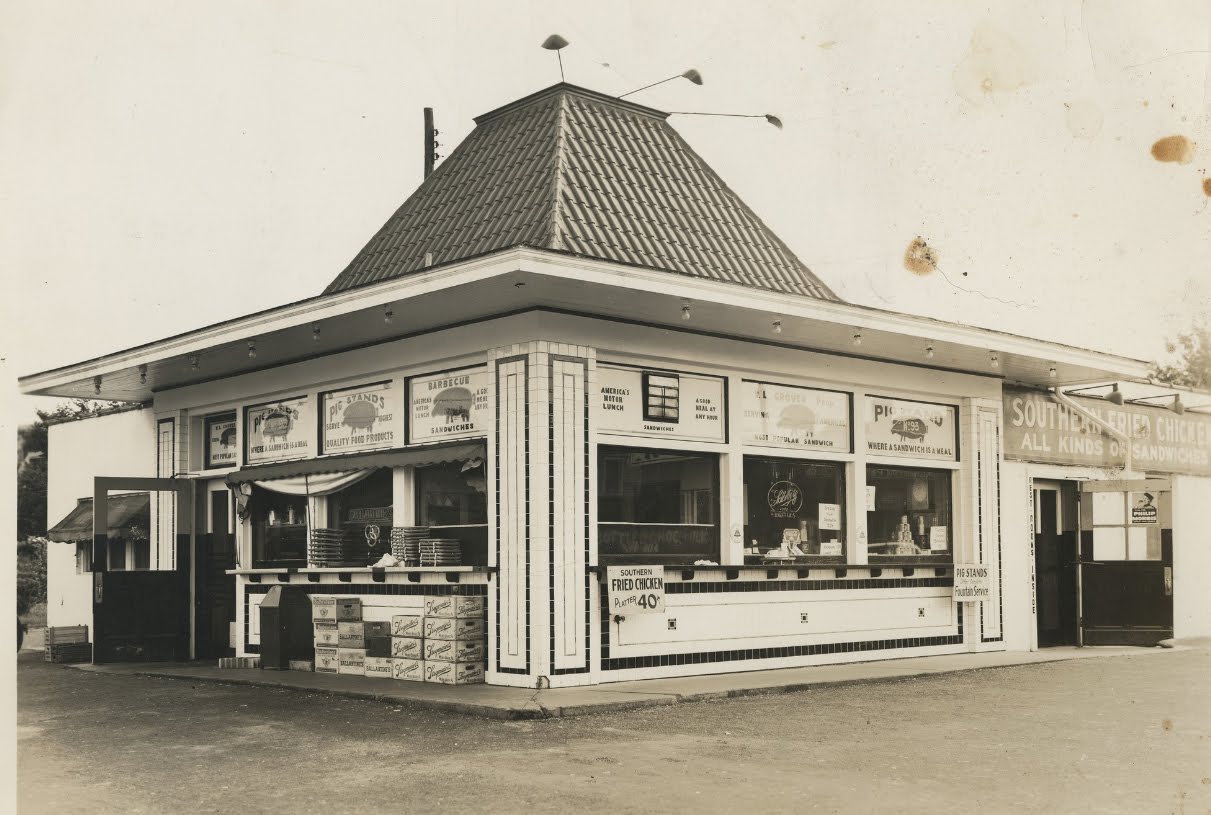
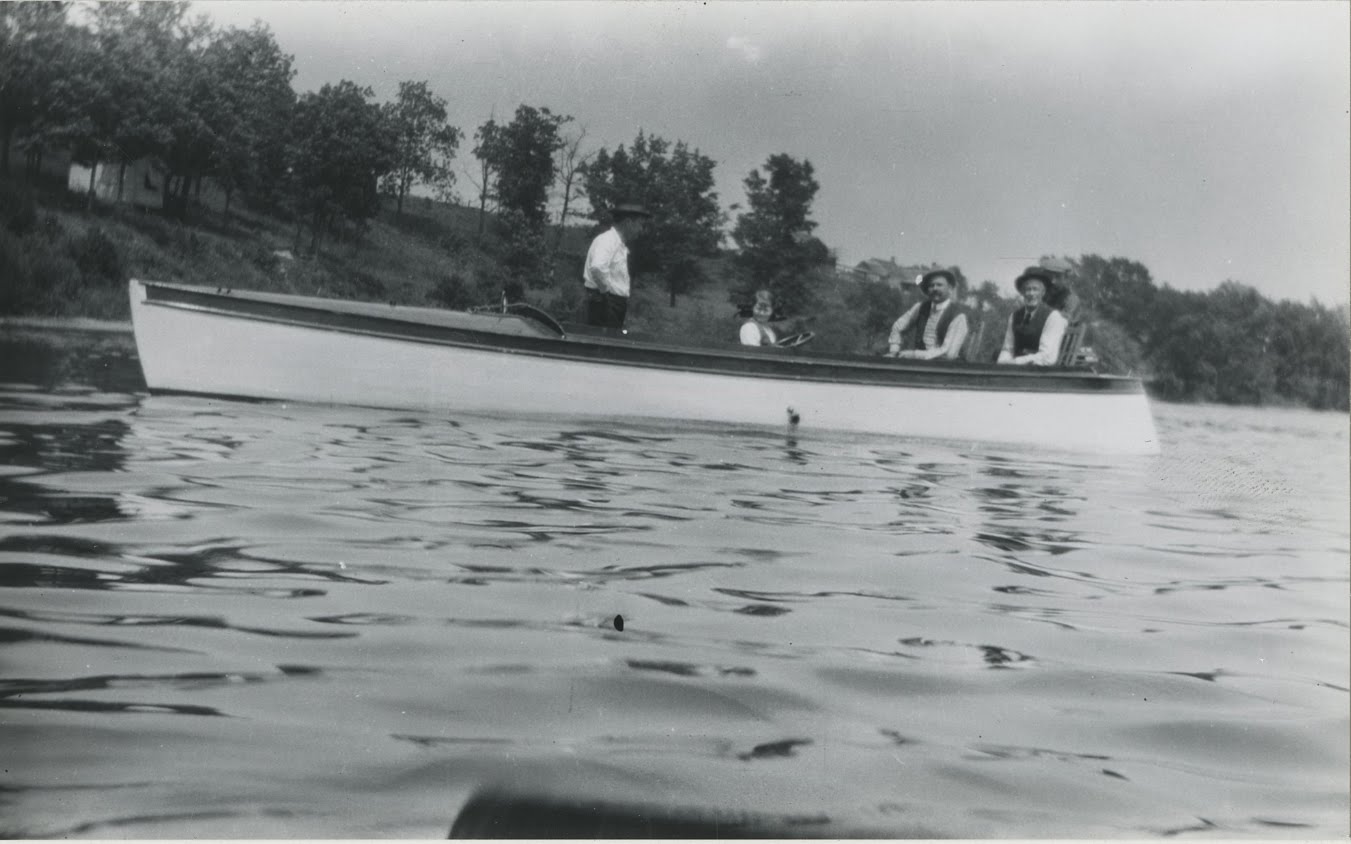
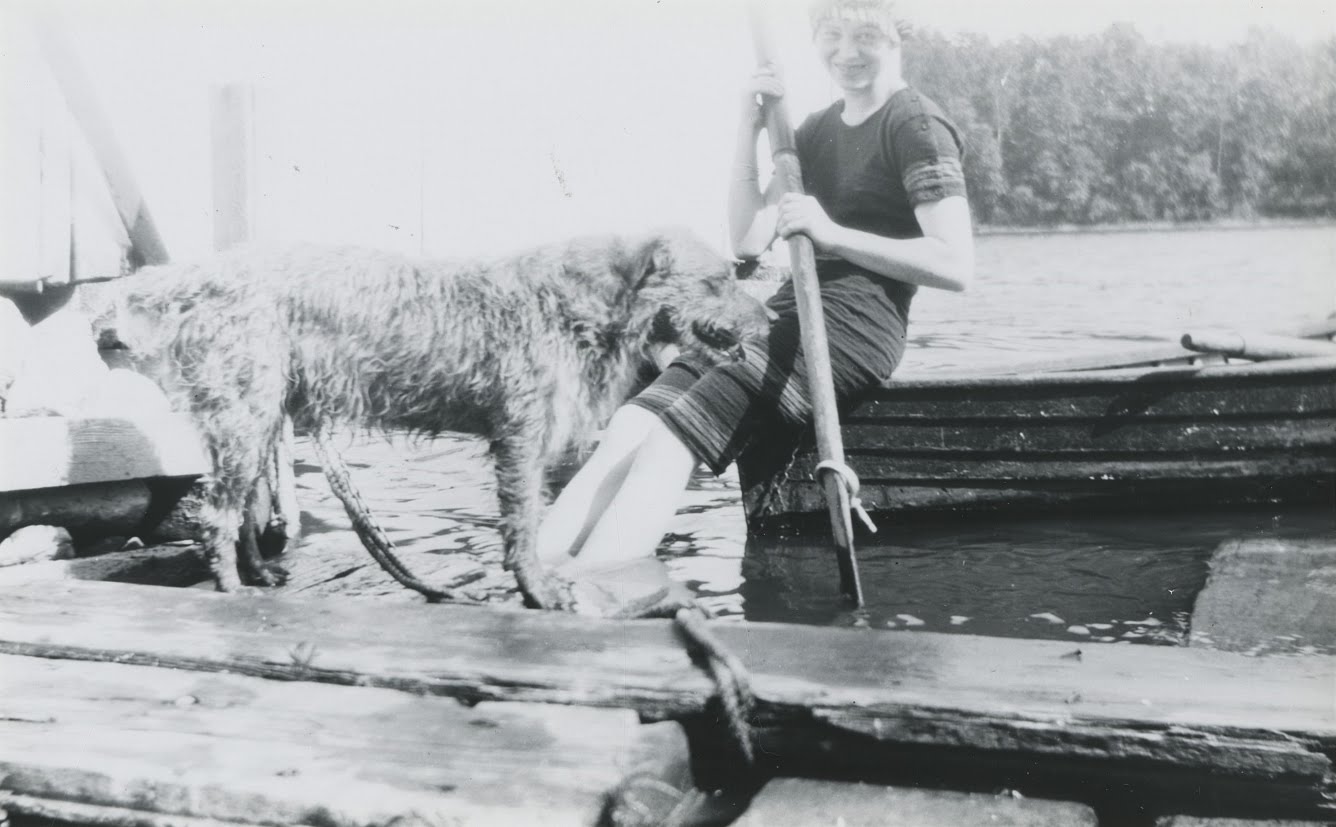
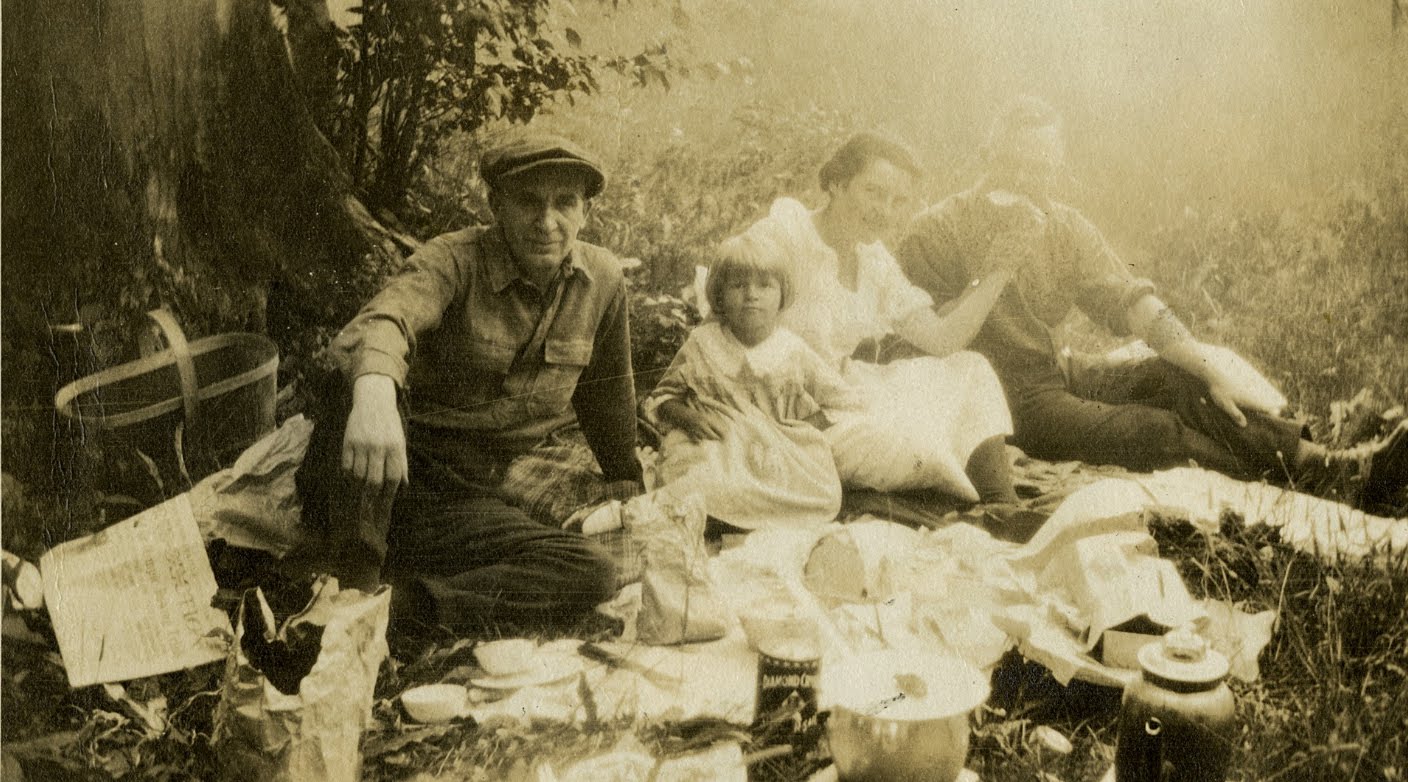
These images, all from the Wade Hall Photographs Collection, and all available online in our Digital Collections give us just a little taste of summertime nostalgia. Take the time to take a swim, or a boat ride, go on a picnic, play with your dog, or go for a drive and stop for a BBQ sandwich — or a 40 cent Southern fried chicken platter (the “Pig Stand” featured above was in Binghamton, New York)!! Enjoy!


Aftermath of the 1932 Tornado Outbreak in Alabama


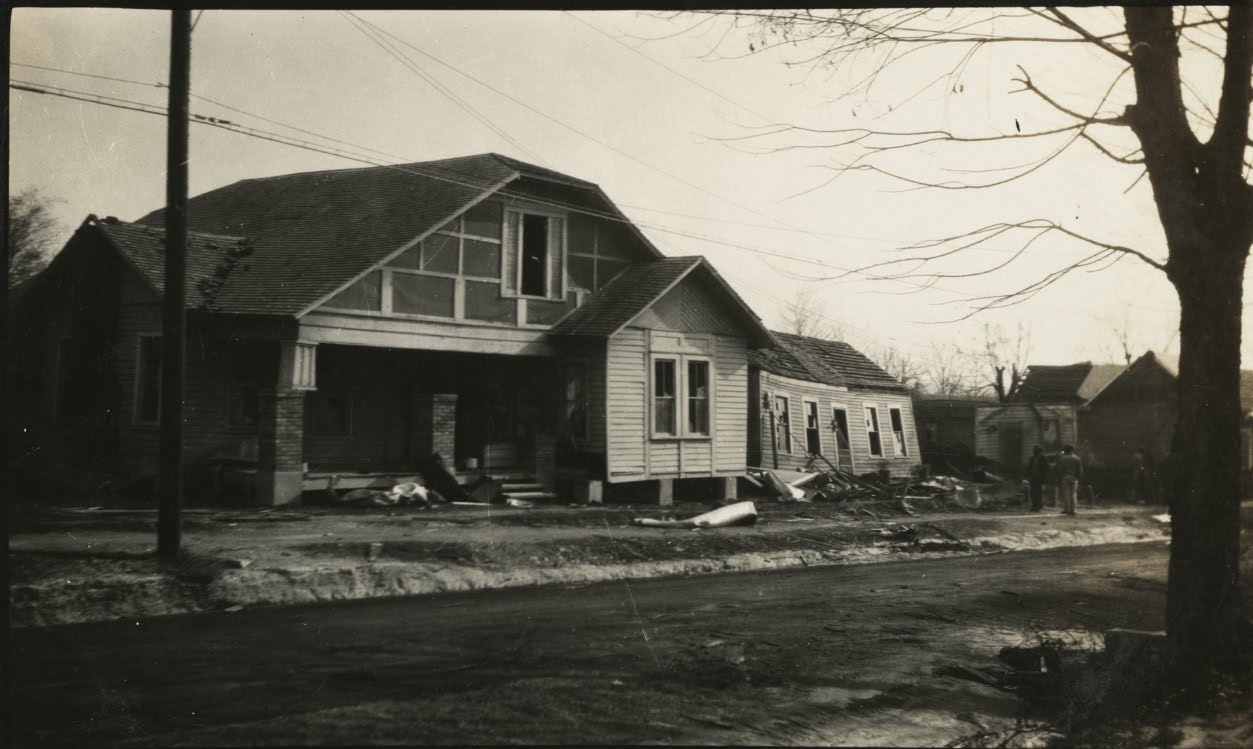
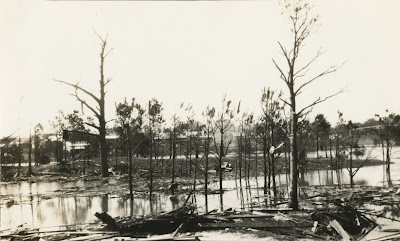
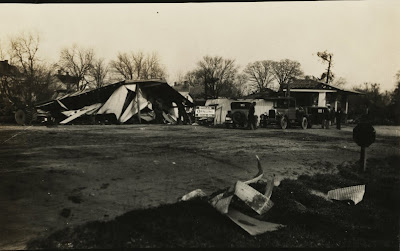
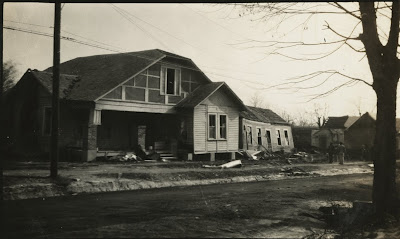
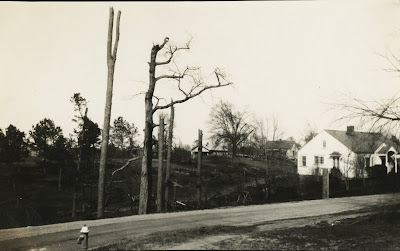
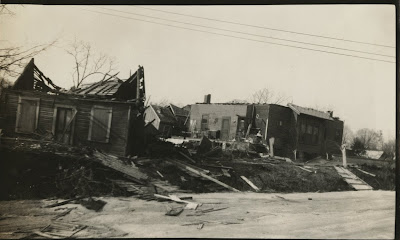
These five images are from the Roland Harper Photographs Collection — photographs by Roland Harper of aftermath of the deadly tornado outbreak in the deep south on March 21 and 22, 1932. The destruction and loss of life was staggering, with the state of Alabama being the hardest hit.

The Roland Harper Photographs collection, 1878-1966 contains over 7500 photographs, as well as negatives and albums. Subject include botanical and geological subjects, as well as images of farms, people, houses and everyday scenes. The photographs cover thirty-one states, the bulk of the collection are from Alabama, Florida, Georgia, New York, California, Arkansas, and Maryland. These images are a powerful and essential resource in understanding the natural history of this region, providing accurate, precise, and well-documented snapshots of a time and place.

The papers of Roland Harper are also housed in the Hoole Library. Sixty three linear feet of materials from Harper, include his diaries, correspondence, research notes, writings, publications, personal and family materials, cemetery records, scrapbooks, as well as photographs, materials relating to race relations, and a substantial collection of transportation timetables and clippings. Some of the photographs and other materials from the collections are available online through ourDigital Collections.

These images can in no way allow us to understand the tragedy of those 1932 tornadoes, where 268 people in Alabama alone lost their lives.

The devastation from the April 27, 2011 tornado outbreak in Alabama is beyond comprehension. The University of Alabama, while in the center of the city of Tuscaloosa, was physically untouched. There are areas all around the campus that are damaged and destroyed. And we have lost members of our UA community to these storms.

These images from the 1932 tornadoes are a testament to the resilience of Alabamians — we will be back, with the help of countless supporters from all over the world, and we will be stronger and better than ever. Please continue to help in any way that you can.
Hello world!

Welcome to one of the University Libraries – Public Blogs at the University of Alabama. This particular blog is for Digital Services, which is currently a unit of the Office of Library Technology.  Why should I care, you say?

Because of what we do.

And what do we do??

I’m so glad you asked.

We digitize really cool old stuff and put it online, making it searchable and accessible — either from our database delivery system or from web search engines such as Google.

And what’s so cool about the stuff we digitize?  Well…  we’re just going to have to tell you all about it.  You may have read about some of it already in Cool@Hoole — but we’re going to take you in depth and show you things you’ve never seen before.   Not only that, but we’ll share with you what we do, how we do it, and — if you are into digitization — you’ll learn from modifications we’ve made that make the work faster, easier, and more sustainable.  From start to finish.

Stay tuned!!!  🙂

–jody

Celebrate Earth Day!

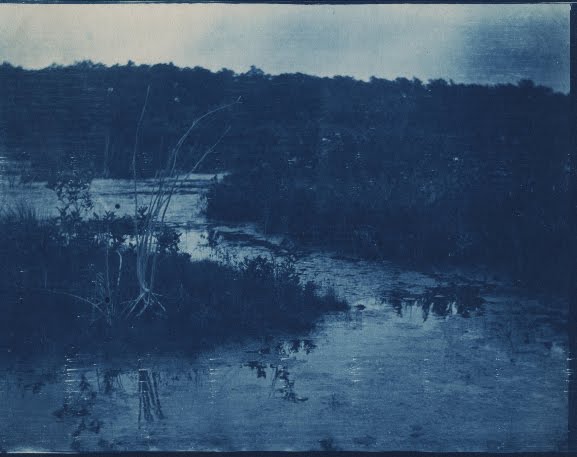
Utricularia juncea, Eriophorum, Lefhamthus, and Azalea visersa, in bog just N. of lake; 3:22 pm, Lake Ronkonkoma, New York.

Diazo print, Cyanotype. From the Roland McMillan Harper photographs collection, W.S. Hoole Special Collections Library.

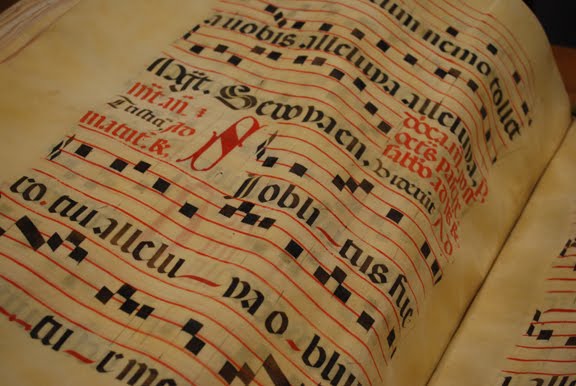
All Latin, Big and Small


Now that they’ve seen Paree!


It was 122 years ago this week, on March 31, 1889, that the Eiffel Tower is dedicated in Paris in a ceremony presided over by the tower’s designer, Gustave Eiffel. Among the dignitaries were the French Prime Minister Pierre Tirard and over 200 construction workers — the men who risked their lives to build the tower.


These two images of the Eiffel Tower are from a photo album/scrap book belonging to Dr. Herman and Mattie Hesse. The album contains picture postcards and photographs from the Hesses’ trip to Europe aboard the S.S. Berlin in the summer of 1930. These souvenir cards are typical of the items sold near the tower. This photo album is part of the W.S. Hoole Special Collections Library’s extensive photograph collections. While the name may sound familiar, it is not the same (Nobel Prize-winning) Hermann Hesse of Siddhartha and Steppenwolf fame!


The remarkable landmark structure of the Eiffel Tower plays a role in the mystique and draw of Paris as the ultimate destination — signifying decadence, exoticism, and elegance among other things.

Sheet music from the Wade Hall Sheet Music Collection offers incredible insight into the sounds of eras gone by. The piece featured above is housed in the Hoole Library, and is included in our rich digital collections — the piece is available here: http://acumen.lib.ua.edu/u0004_0000002_0001605

This World War I era hit, How Ya Gonna Keep ’em Down on the Farm (After they’ve seen Paree) really says it all. Paris at the end of the first World War and in the 1920s was in stark contrast to rural life in America.

This wartime hit continued to be sung and performed and remained popular through the 1930s and 1940s. It was performed in the World War II era classic film, For Me and My Gal, by none other than Judy Garland!

Here are a few versions for your listening pleasure — one from the 1910s, one from the 1930s, one from the 1940s, and two more “modern” versions in banjo and “barbershop”!