Cool@Hoole

The Lost(?) Art of the Telegram

Our search tool, Acumen, is good for turning up items related to a given person or topic, but it can also be used to uncover particular types of items. While diaries and letters are popular tools for research, there are countless other interesting and useful document types represented in our digital collections…like the telegram.
*
We’d like to think technology of the past is so different from our own, but long before we were able to create text messages with our phones or compress our thoughts into 140 characters on Twitter, we were sending short bursts of information via telegraphy.

In telegrams, friends could say hello — or even pass along a greeting from a third party.

hello telegram

They could also share their sorrows, however briefly.

death telegram

In fact, some sorrows came from over the ocean, as with this message about a soldier fighting in WWI.

WWI death telegram

Telegrams were often used to keep family members and friends in the loop, even if they didn’t always work as planned.

sickness telegram

If a person had enough money, brevity might fly out the window. This telegram reads like a postcard — or your average (free!) Facebook status update.

vacation telegram

Before holiday e-cards, there were speciality telegrams for season’s greetings.

Christmas telegram

Even in the midst of war, a holiday message over the wires could remind people of family, friends, and the possibility of renewal.

Rosh Hashanah telegram

This year, the Jewish high holy day Rosh Hashanah begins at sunset on Sept. 16. L’Shanah Tovah.
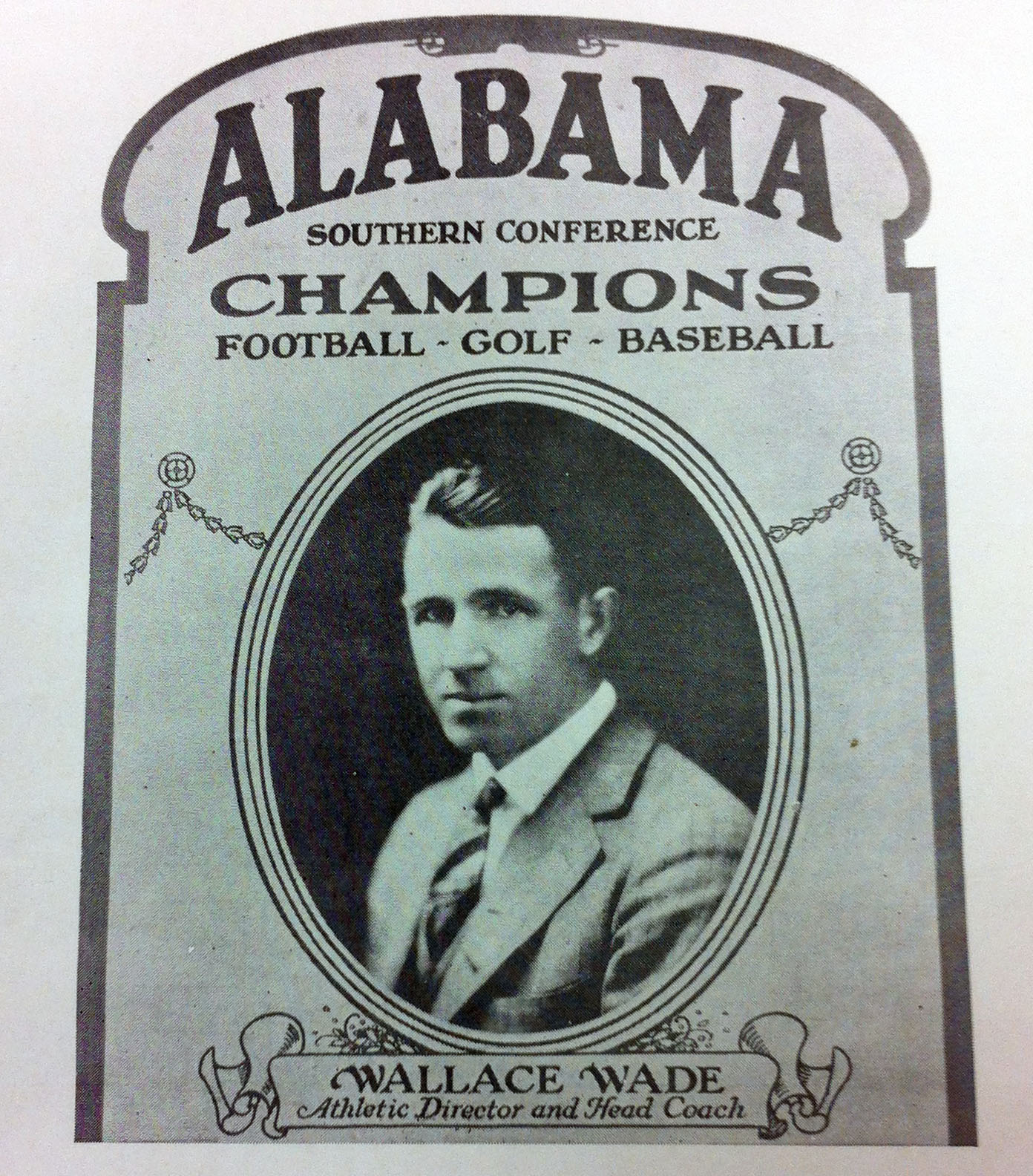
The greatest Thing Since Sliced Bread? Alabama Football of Course!

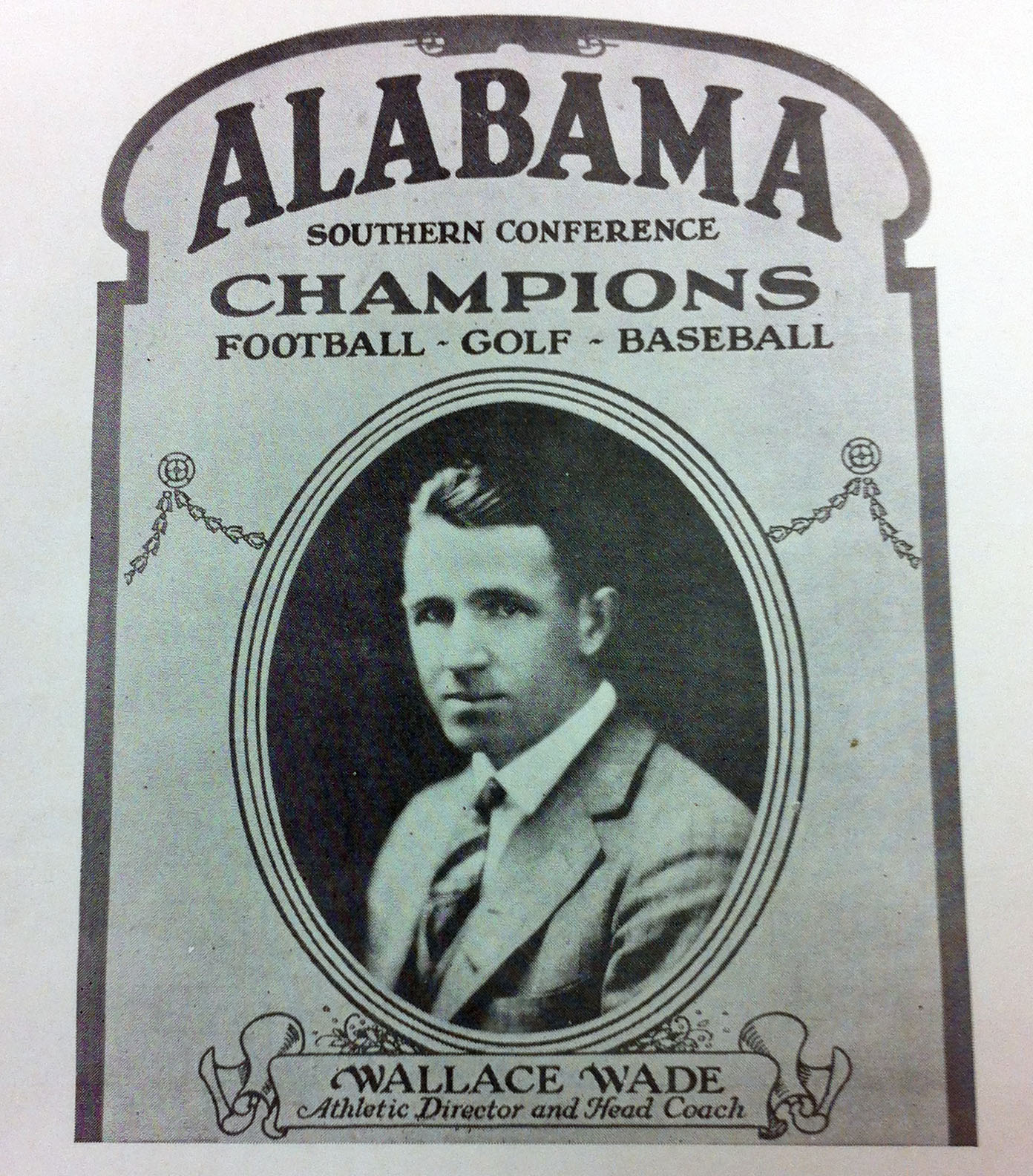
This bread-shaped gem is a detail of the official Alabama vs. Sewanee football game, held at Rickwood Field in Birmingham, Alabama on October 17, 1925. This item is from our extensive collection of University of Alabama published  materials, ranging from course catalogs and yearbooks and everything in between, including an extensive collection of University of Alabama football programs.

The detail here is from the November 14, 1959 game against Georgia Tech, which was played at Legion Field, also in Birmingham.

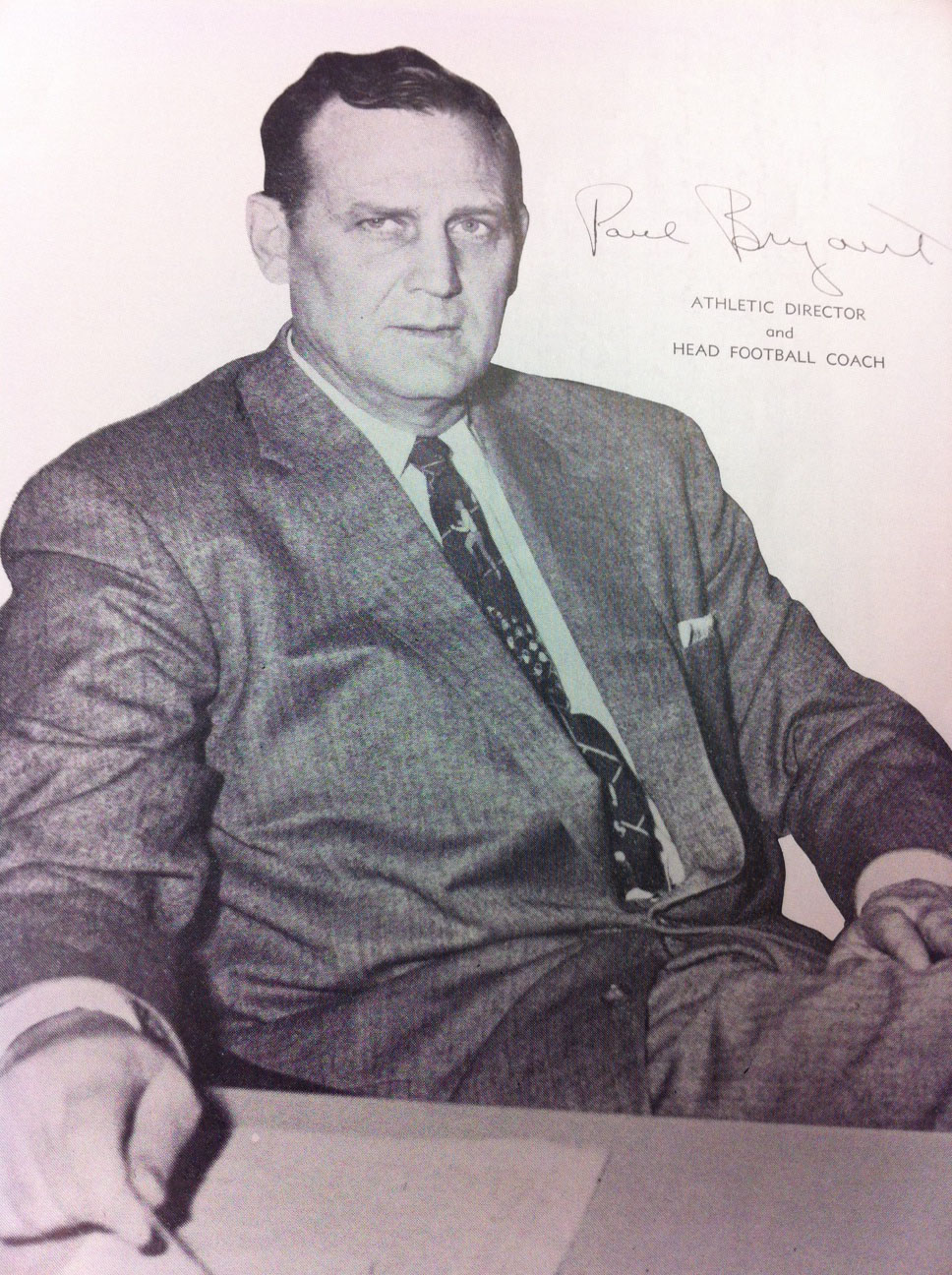
What is the significance of these two teams together?  Well, we used to play Sewanee and Georgia Tech all the time, and in fact, our fight song, Yea Alabama, features the first line that says, “Let the Sewanee Tiger scratch, Let the Yellow Jacket sting!”  And while we don’t sing those lyrics anymore, but start with a rousing “Yea Alabama! Drown ’em Tide!”, it’s true that the first references in the song are to two schools we just don’t play anymore.  A fitting blog post today, what would have been Coach Paul Bryant’s 99th birthday!  Roll Tide Roll!

Welcome Home Dr. Bailey!: UA’s 37th President

The W.S. Hoole Special Collections Library is honored to join the chorus in welcoming Dr. Guy Bailey back to The University of Alabama!

This video message to Dr. Guy Bailey is a fitting tribute to our our new University of Alabama president. The Board of Trustees of The University of Alabama System named Dr. Guy Bailey president of The University of Alabama on July 11, 2012. He began his tenure on September 3rd. A Montgomery, Alabama native and a two-time UA graduate, Dr. Bailey comes to us from Texas Tech University, where he served as president since 2008.

To learn a bit more about the history of presidents of The University of Alabama, visit our online exhibit, Presidential Portraits at the W.S. Hoole Special Collections Library.   This small online exhibit features the portraits that are held in the Hoole Library of former University of Alabama Presidents.

First University of Alabama President, Alva Woods (1831-1837)

Our collections also feature the records of University of Alabama presidents and other administrators, as well as published and unpublished materials that document the rich history of The University of Alabama.  This includes full runs of the Corolla, the Crimson White, student publications, and much, much more! Come visit us!

Fans, Band and Cheers! Roll Tide!

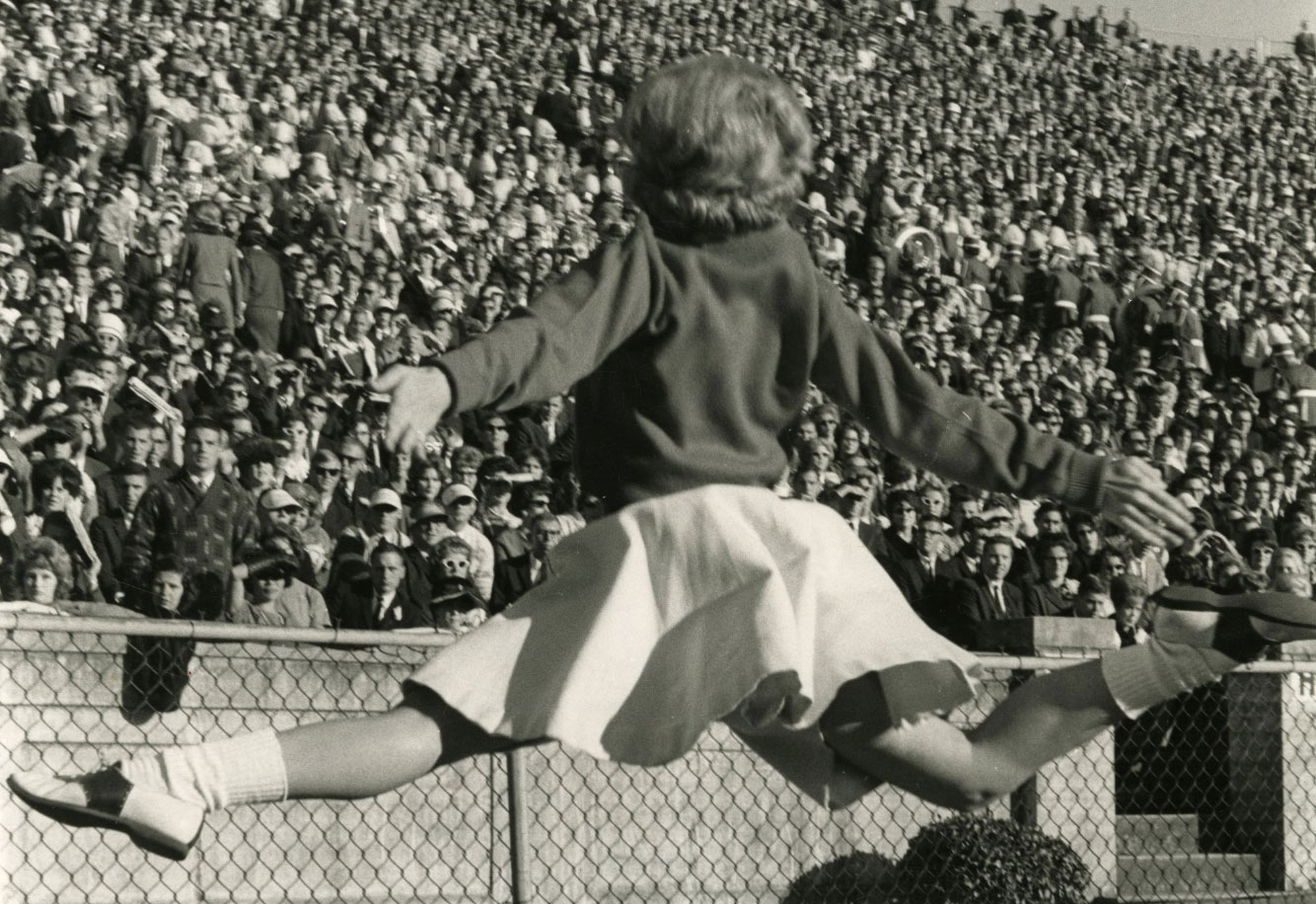
Well, it’s that time of year again — campus is buzzing with excitement following the season opener of Alabama football vs. Michigan in Cowboy Stadium in Dallas.  This image, from our University of Alabama photographs, and featured in Acumen, shows a cheerleader in motion in front of a sea of fans and members of the Million Dollar Band, ca. 1964.  Whether it is 1964 or today, the energy and excitement is palpable, even a full 584 miles away from Bryant-Denny Stadium on The University of Alabama campus! Roll Tide!

The Civil War’s Lyrical Battlefield

We all know the Civil War had a seismic impact on our country. Did you know that its effects trickled down to the music publishing industry?

UA Libraries Special Collections has a lot of 19th and early 20th century sheet music, including the following pieces from the Confederate Imprints and Wade Hall Sheet Music collections. Songs like these make for a pretty clear picture of war.

For example, each army had its own anthems, including works like The “Confederates Grand March” and “The Union Banner Quickstep”

And each side also had patriotic songs about its cause:

God save the southern land

Flag with 34 stars

However, much of the music is actually about the human element, from this piece lamenting a Confederate soldier’s parting from his loved ones, to return “when this cruel war is over”…

Sadly we parted

…to an account of everyday “Camp Life” in the Union Army.

And just as the music of the period chronicled the fight, it also bore witness to the process of reconciliation. This song talks about why peace was necessary:

“Oh, why should friendship turn to hate,
Oh why should brothers fight?
Oh! hold the mighty arm of war
And let this hatred cease,
And let our voices shout with joy
That all we want is peace.”

“Why can we not be brothers/We know that we were rebels” imagined that the defeated south was just as aware of the need to put hostilities to an end.

By the turn of the 20th century, things had changed, but the past was not entirely forgotten. “He Laid Away a Suit of Gray to Wear the Union Blue” told of a young man’s willingness to fight for the U.S. despite his father’s Confederate past, while another tune was written to celebrate the veteran, so that we would never forget.

Veteran's last song

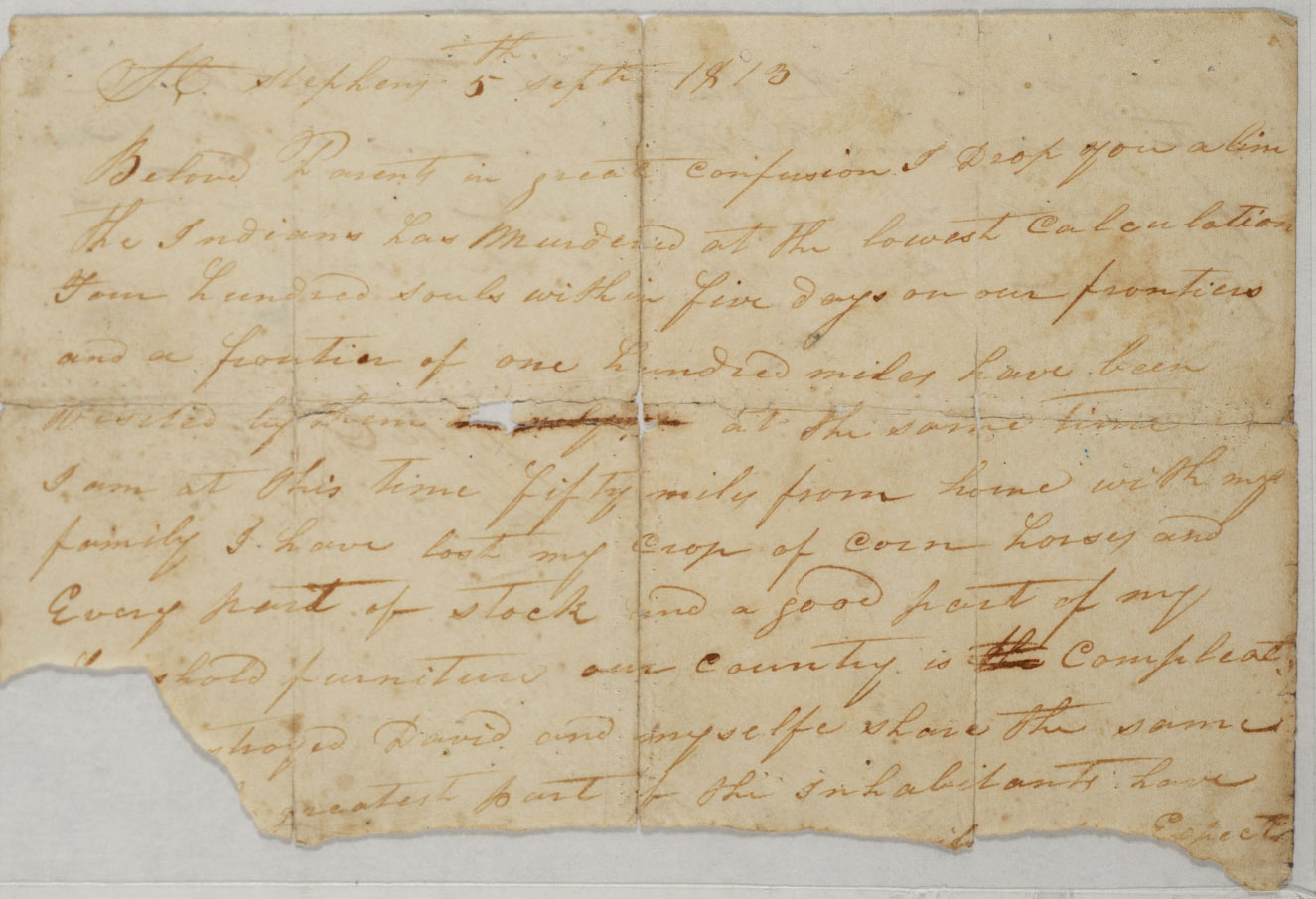
In great confusion I drop you a line…: A Letter from the Creek Indian War

On August 30, 1813, Creek Indians, under the leadership of William Weatherford, also known as Red Eagle, attacked Fort Mims in what is now Baldwin County, killing nearly 250 settlers who had gathered there for protection. The attack caused fear and hysteria among frontier settlers, who quickly raised militia companies to fight in what became known as the Creek War, from 1813-1814.

The Hoole Library holds an incredible piece of evidence from that violent time, in the form of a letter from a man named Jesse Griffin to his parents.  Griffin states in his powerful letter that he has traveled 50 miles in flight from the Creeks, who killed more than 400 people in 5 days.

Although Griffin and his family survived, they lost their crops, livestock, and most of their household goods. The Creek Indian War lasted from 1813-1814,  where Creeks attacked white settlers moving into Creek lands.  The war ended on March 27, 1814, when General Andrew Jackson defeated Red Eagle and the Creek warriors at the Battle of Horseshoe Bend in Alabama.

This item is available online via our Digital Collections and the original is housed in the Hoole Special Collections Library.

Finally, Cool@Hoole is glad to be back after a bit of a hiatus!  Please visit often, add us to your blogroll, and like us on Facebook!  Got a comment or a thought? Contact me at JLF@ua.edu!

Life in the mines: The UMWA in Alabama

Last year for Labor Day, we shared a link to an interview with Cleatus and Louise Burns, about their experiences working in the coal mines and living in the mining camps in the first half of the 20th century, hazards and hardships that made organizing a labor union very important to workers.

This year, listen to this interview with Earl Brown, who gives a more in-depth account of the early history of labor unions in Alabama. Despite the state of race relations at the time, Brown says that “segregation was everywhere else” except in the mines…and the newly formed local mine workers’ union.

miner in mine
(Source of image: Central Iron and Coal Photograph Collection.)According to the abstract, Brown “recalls his life as a coal miner, daily life in the mining camps and the challenges surrounding organized labor in Alabama. He also discusses FDR and the effect of the Wagner Acts on organizing labor. He was a member of the United Mine Workers of America of America (UMWA) and recounts organizing drives, strikes and the unique sense of solidarity among mine workers.”

This interview, along with the others in the Working Lives Oral History Project, took place almost 30 years ago. So much knowledge about life in the the 1920s-1960s is preserved for us in this collection, including accounts of the Depression, the Civil Rights movement, and, of course, life in the coal and coke mines of Jefferson and Shelby Counties. These interviews also have transcripts, so you can follow along with the audio.

The history of the mining industry and its labor unions is complex and fascinating. What better way to celebrate these industrial workers than to hear from one of them!

A new constellation

Tiny Lizard From the Sky

A new constellation: Gecko Minor

Look like a new constellation? Sometime during the night last night, a tiny dusty gecko fell from the ceiling onto the plate glass for one of our overhead cameras, and our Digitization Manager captured this remarkable image. Meet our new mascot: Tiny Lizard From the Sky. 🙂 We’re still looking for him!!

Snapshot into the 1960s with student magazine Farrago

Welcome back, students!

I’m sure I don’t have to tell you that we’re just over a week away from the first football game of the season! Did you know that a UA student magazine, Farrago, interviewed Bear Bryant at the beginning of the 1968-9 season?

Farrago coverIf you click the cover image above and read the article on page 5, you’ll find that while some things about Alabama football have changed, others have stayed the same.

This is true of all the issues of Farrago, which means “confused mixture.” In the magazine’s pages, humor rubs shoulders with politics, and student issues still familiar to us mingle with problems unique to the late 1960s.

For example, we don’t have to tackle the subject of draft dodging anymore (see May 1968), but we never seem to tire of debating the pros and cons of the Greek system (see March 1968). Complaints about parking are certainly not new (see Sept. 1968) — and this was back when the Capstone didn’t even charge you to register your car!

And maybe you can also take comfort in the fact that finding an apartment in Tuscaloosa has apparently never been easy…

Farrago cover

Digital Services is hiring!!

We are looking for two very capable, talented people to join our team! Are you tech-savvy, self-motivated, a great team player with terrific attention to detail? We continually seek improvement, and work in a fast-paced production environment.

Our Digitization Technologist will be in charge of audio digitization, standards development and research, maintaining our Windows-side scripts, and seeking out new and better methods for digitization, delivery, and preservation.

Our Digital Repository Manager will be a master in image digitization, will assist in support for web delivery software and workflows on SUSE Linux and OSX servers, and will be deeply involved in infrastructure development and support for long-term access.

We’re looking for exceptional people to fill these full-time exempt positions (38.75 hours per week) with full benefits. Are you right for our team? If so, please apply today, and provide work references and a cover letter to tell us why we should want YOU! These postings close on September 7th, 2012, but we will begin reviewing applicants and interviewing right away.

Bring your passion for the position to the table: we want people who want to help us grow! 🙂